What Are the Best Hearing Aid Brands for Seniors in 2026?
Article Summary
Discover the top hearing aid brands for seniors in 2026. Compare features, prices, and Medicare coverage options to find the best hearing solution.

Top Hearing Aid Brands for Seniors in 2026
The hearing aid industry has evolved significantly, with several established manufacturers dominating the market. These companies invest heavily in research and development to create devices that address the specific challenges seniors face when managing hearing loss. Understanding the strengths of each major brand helps seniors make informed decisions about which manufacturer aligns best with their needs and preferences.
Leading Manufacturers and Their Strengths
Phonak, a Swiss-based company owned by Sonova Group, has built a reputation for producing versatile hearing solutions that work well across all degrees of hearing loss. Their Paradise and Marvel platforms offer excellent sound quality, seamless Bluetooth connectivity, and rechargeable options that seniors appreciate. Phonak devices particularly excel in challenging listening environments, making them ideal for active seniors who frequently navigate social situations.
Oticon, headquartered in Denmark, takes a unique approach by designing their technology around how the brain processes sound. Their BrainHearing™ philosophy emphasizes supporting cognitive function rather than simply amplifying sounds. The Oticon More line features deep neural network technology that helps seniors distinguish speech from background noise more naturally. This brand often receives high marks from audiologists for patients experiencing both hearing loss and early cognitive changes.
Widex stands out for its commitment to natural sound reproduction. The Widex MOMENT platform uses proprietary technology to reduce processing delay, resulting in a more authentic listening experience. Seniors who value sound quality above all else often gravitate toward Widex devices, particularly those who enjoy music or live in quieter, more controlled environments.
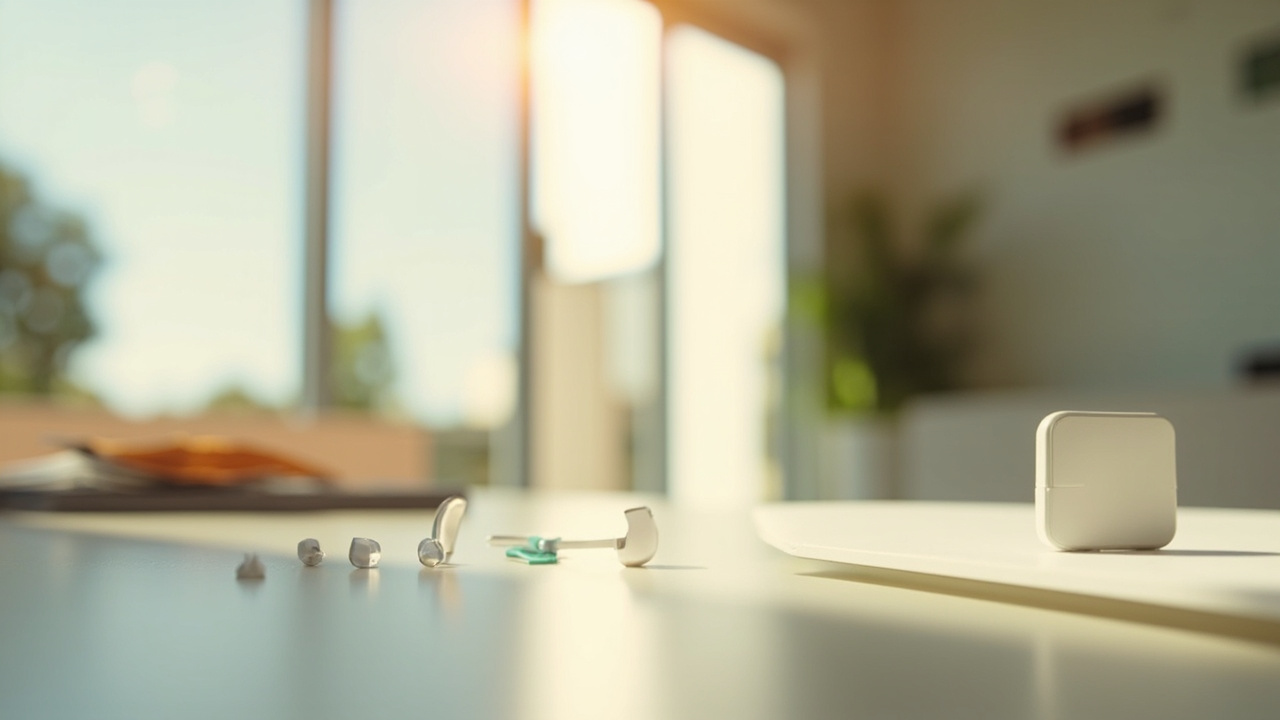
Signia, formerly Siemens, combines German engineering with innovative features like their Own Voice Processing (OVP) system. This technology addresses one of the most common complaints among new hearing aid users—the unnatural perception of one's own voice. Signia's Styletto line offers sleek, slim designs that appeal to seniors who may feel self-conscious about wearing visible devices.
Starkey differentiates itself through health-focused features beyond basic amplification. Their Livio AI platform includes sensors that can detect falls, track physical activity, and even monitor certain health metrics. For seniors prioritizing both hearing improvement and comprehensive health monitoring, Starkey represents an excellent choice among prescription hearing aid brands.
Understanding Hearing Aid Features and Technology Levels
Hearing aid manufacturers typically categorize their products into technology tiers: essential, standard, advanced, and premium. Each level offers increasing sophistication in sound processing, noise reduction, and automatic adjustments. For most seniors, mid-range options (advanced technology) provide the best balance between performance and cost, though those with active lifestyles or complex listening needs may benefit from premium devices.
Key Features Seniors Should Prioritize
When evaluating hearing aid brands, certain features prove particularly valuable for the senior population. Ease of use ranks among the top considerations—devices with larger buttons, simple controls, and straightforward battery replacement or charging appeal to users who may have reduced manual dexterity due to arthritis or other age-related conditions.
Battery life and rechargeable options matter significantly for seniors who may struggle with the fine motor skills required to change tiny batteries. Most premium brands now offer rechargeable models that provide a full day of use on a single charge, eliminating this common frustration.
Tinnitus management features have become increasingly sophisticated across major brands. Many seniors experience both hearing loss and tinnitus simultaneously, and manufacturers like Widex and Starkey have developed specialized programs to provide relief from ringing in the ears.
Phone compatibility deserves special attention in our increasingly digital world. Bluetooth hearing aids that stream phone calls directly to both ears help seniors stay connected with family members and healthcare providers without struggling to hear through the phone receiver.
Medicare and Insurance Coverage for Hearing Aids in 2026
Understanding the financial aspects of hearing aid purchases remains crucial for seniors on fixed incomes. While Original Medicare (Parts A and B) does not cover hearing aids in 2026, several pathways exist to reduce out-of-pocket costs. Medicare Part B may cover diagnostic hearing exams when ordered by a physician, but routine hearing tests and amplification devices fall outside traditional Medicare coverage.
Medicare Advantage Plans
Medicare Advantage (Part C) plans increasingly include hearing aid benefits as part of their supplemental offerings. Many plans provide annual allowances toward hearing aids, with some covering up to $2,000 toward devices every two to three years. Seniors should carefully compare Medicare Advantage plans during open enrollment to identify those offering the most comprehensive hearing aid coverage, particularly if they prefer specific brands.
Other Financial Assistance Options
Several organizations offer hearing aid assistance programs for seniors with limited resources. The Hearing Loss Association of America maintains a list of programs that provide discounted or free hearing aids to qualifying individuals. Additionally, some audiologists offer payment plans that spread the cost of premium devices over time, making high-quality brands more accessible.
How to Choose the Right Hearing Aid Brand
Selecting the optimal hearing aid brand requires balancing multiple factors specific to each individual's circumstances. The degree and type of hearing loss, lifestyle requirements, physical capabilities, budget constraints, and personal preferences all influence which manufacturer and model will prove most suitable.
Factors to Consider
Severity of hearing loss significantly impacts brand selection. While most major manufacturers produce devices suitable for mild to moderate hearing loss, those with severe or profound loss may find certain brands offer more powerful amplification options. Phonak, for instance, produces super-power devices specifically designed for profound hearing loss that other manufacturers may not match.
Lifestyle and communication needs should guide technology level selection. Seniors who frequently attend group conversations, religious services, or restaurant outings benefit from brands excelling in noise reduction and speech enhancement. Those with more sedentary lifestyles may find essential-level technology from any manufacturer meets their needs adequately.
Physical considerations matter tremendously. Dexterity challenges may make certain styles and battery types preferable. Smaller devices like completely-in-canal (CIC) aids may prove difficult for seniors with poor fine motor skills to insert and remove, while larger behind-the-ear (BTE) options often provide easier handling.
Budget beyond the sticker price requires careful evaluation. While some brands command premium pricing, the total cost of ownership includes batteries (unless rechargeable), professional fitting fees, follow-up appointments, repairs, and eventual replacement. Evaluating warranty coverage, trial periods, and expected device lifespan provides a more accurate comparison than initial price alone.
Frequently Asked Questions
No single brand suits everyone, but Phonak, Oticon, Widex, Signia, and Starkey consistently rank among the best options for seniors. The optimal choice depends on individual hearing loss severity, lifestyle needs, budget, and personal preferences regarding features and styling. Consultation with an audiologist helps determine which brand and model best addresses specific hearing challenges.
Pricing varies significantly based on technology level, style, and included features. Entry-level hearing aids from major manufacturers typically start around $1,500 per device, while premium options can exceed $4,000 per device. Most seniors require two devices, so total costs commonly range from $3,000 to $8,000 for a complete set. These prices have remained relatively stable despite ongoing technological improvements.
Original Medicare does not cover hearing aids in 2026. However, Medicare Advantage plans often include hearing aid benefits with allowances ranging from $500 to $2,000 or more toward devices. Some supplemental insurance plans also offer partial coverage. Seniors should verify their specific coverage before purchasing, as plan benefits vary considerably.
Over-the-counter (OTC) hearing aids, enabled by FDA regulations finalized in 2026, offer a more affordable path for adults with perceived mild-to-moderate hearing loss. However, prescription hearing aids from brands like Phonak, Oticon, and Starkey provide more sophisticated technology, professional fitting, and ongoing support that OTC options cannot match. OTC hearing aids work best for those with uncomplicated mild hearing loss, while prescription devices remain recommended for moderate to severe loss.
Key factors include sound quality in various environments, ease of use and maintenance, battery life or rechargeable convenience, warranty coverage, trial period length, customer support quality, and compatibility with phones and other devices. Reading independent reviews and seeking recommendations from audiologists provides valuable insights beyond manufacturer marketing materials.
Conclusion
Selecting among the best hearing aid brands for seniors in 2026 requires thoughtful consideration of multiple personal factors. The leading manufacturers—Phonak, Oticon, Widex, Signia, and Starkey—each offer distinct advantages that appeal to different user needs. Phonak excels in versatility and robust sound processing. Oticon provides innovative brain-focused technology that supports cognitive health. Widex delivers exceptional natural sound quality. Signia addresses voice naturalness concerns effectively. Starkey leads in health-tracking features beyond hearing improvement.
For seniors navigating this decision, the most important step remains scheduling a comprehensive hearing evaluation with a licensed audiologist. Professional guidance ensures appropriate brand selection based on accurate hearing assessment, lifestyle requirements, and physical capabilities. While Medicare coverage remains limited, exploring Medicare Advantage plans, insurance options, and assistance programs can significantly reduce financial barriers to accessing premium hearing technology.
The right hearing aid brand transforms daily life by restoring connection to family, friends, and the surrounding world. Seniors investing time in understanding their options and working with hearing professionals position themselves to select devices that provide lasting satisfaction and improved quality of life throughout 2026 and beyond.
Related Questions
Would you like to know more about the content of this article?
Our site provides the latest information on senior well-being. Related articles introduce each topic in detail.
When should seniors start planning for their well-being?
It is generally recommended to start planning early. The sooner you begin, the more time you have to build a comfortable and fulfilling lifestyle.
Where can I find more information about senior well-being?
Visit the category pages on Seniors Better to find more articles with expert advice and practical tips for elders.